






Lake Akan Marimo Festival
The Lake Akan Marimo Festival (まりも祭り) began in 1950 as a new event to protect Lake Akan's marimo and return balls that people had taken. It uses Ainu ritual forms, but it is not an ancient Ainu tradition. It is held every year on 8, 9 and 10 October. Its public rites welcome the marimo, protect them, and send them back to the lake by dugout canoe. Years of collecting, and a drop in the lake level for hydropower in spring 1950, led to the festival. In 1952 Japan raised the marimo to Special Natural Monument.
Quick facts
- First festival The first festival was in 1950. The return rite that year was held on 7 October.1
- When it is held It is held on 8, 9 and 10 October every year, regardless of weekday.2
- The three rites Official pages describe welcoming the marimo, protecting them, and sending them back to the lake by dugout canoe.3
- Who to contact The inquiry contact on the official event pages is the Akan tourism organisation (阿寒観光協会まちづくり推進機構). A 2024 local newspaper lists the hosts as Kushiro City, that organisation, and the Akan Ainu Craft Cooperative.5
- Ainu prayers Ainu people have offered the kamuynomi, a prayer rite, from the start.6
- Legal protection Lake Akan's marimo became a Natural Monument on 3 March 1921 and a Special Natural Monument on 29 March 1952.4
- Theft Collecting and selling were already a problem before 1921. A further theft case was recorded in 2006.4
- The love story The love story is not an Ainu folktale; see The marimo love story.7
- A modern joint event The festival is a modern event created by Ainu and non-Ainu people together; see The Ainu and marimo.6
When is the festival held, and who runs it?
The Lake Akan Marimo Festival is held every year on 8, 9 and 10 October, whatever the weekday. Official event pages already list the 77th festival for Thursday 8 October to Saturday 10 October 2026. That count matches a start in 1950.2
The 8 to 10 October frame was already fixed by the 25th festival in 1974, when the last day was Sports Day, then 10 October. Sports Day later moved, but official pages still give 8 to 10 October.8

Today's listed inquiry contact is the Akan tourism organisation (阿寒観光協会まちづくり推進機構), telephone 0154-67-3200. A Kushiro Shimbun report on the last day of the 75th festival, 10 October 2024, names the hosts as Kushiro City, that organisation, and the Akan Ainu Craft Cooperative. In 1994 the recorded hosts were Akan Town, the Akan tourism association, and the Lake Akan Ainu Association. Akan Town later became part of Kushiro City, so the 1994 list is history, not today's official contact list.5
The Lake Akan Ainu Association was formed in October 1950, joined the return movement, and took part in the first festival.56
How is the festival held today?
Official event pages describe three public rites, in this order: welcoming the marimo, protecting them, and sending them. The sending rite uses a dugout canoe on the lake.3
In recent official descriptions, a lecture and a small habitat tour are held on the first day, and the public rites run over the next two days, ending with the canoe sending rite. One confirmed 2025 detail is a lecture on 8 October 2025, "Progress and future directions in marimo protection research," by Yoichi Oyama of the Kushiro City Board of Education Marimo Lab, and a habitat tour at 13:00 limited to 20 people who had attended the lecture. That is what the official news post confirmed in plain text. Typically, later official descriptions and a 1994 on-the-spot record put the welcoming rite, a torch parade, and the protecting rite on the evening of the 9th, and the sending rite on the 10th. This page does not treat any one year's clock as a permanent timetable.9
The sending rite is still held, and official pages describe it as returning marimo to the lake by dugout canoe.10
Some of the Ainu rites around the festival, including a kotan kamuynomi, are for participants, not a public show, and are not generally open to visitors.96
How did the festival begin in 1950?
The first festival was held in 1950. It was a new event to protect Lake Akan's marimo from theft, and from the lowering of the lake surface by hydropower, and to return balls that people had taken. It took the form of a traditional Ainu sending rite, and it was not an ancient Ainu tradition already in place. The first return rite was held on 7 October 1950.1
On that day, as later records tell it, there was a return rite at Akan Shrine, held with the cooperation of Yamamoto Tasuke and other Ainu people, a march to the Bokke shore, and boats that took the marimo to the colony at Kinetanpe Bay.1
After the spring 1950 deaths, people worked to return marimo that had been taken from the lake. The first festival, in October 1950, was part of that effort. Sources also record a 1955 official campaign about stolen balls then on the market. Balls gathered in the return movement were offered at Akan Shrine, and returns continued through the early 1950s before tapering off in the 1960s.11
From around 1965, a welcoming rite began, using some balls brought from the lake for the kamuynomi.8
Theft and the 1950s rescue
Lake Akan's marimo were named a Natural Monument of Japan on 3 March 1921, after a 1919 survey that judged the ball shape rare and the locality limited. On 29 March 1952 they were named a Special Natural Monument, a tighter national rank. The 1921 designation was not "Special", and neither status is a National Treasure. For the later history of that designation, see Marimo as a Special Natural Monument.4
Collecting and selling were already taking place before 1921. Newspapers in 1922 and 1923 reported ongoing theft, and the designation did not stop it. In 1956 Akan Town built a watch house at Churui, and watchmen were posted from 1957. Cases were thought to have ended after 1963, then a further theft case was recorded in 2006.4
In spring 1950, excessive intake for hydropower lowered the lake and left large numbers of marimo exposed and dead at Churui and Kinetanpe. That water drop, and a public argument later called the "Electricity or Marimo?" debate, was the background both for the 1950 festival and for the 1952 upgrade. The loss of the western colonies, and later water-quality harms, is on Lake Akan marimo.4
A protection society was founded around the time of the 1950 festival. This page does not fix a single founding month.12
The legend, and the Ainu role
The well-known love story about marimo is not an Ainu folktale. It was written by a non-Ainu author in 1922, and newspapers extended it in 1931. The true history is on The marimo love story.7
The festival is a modern event, created by Ainu and non-Ainu people together, and it uses Ainu ritual forms. Ainu people have offered the kamuynomi from the start, and Ainu people from across Hokkaido still take part. Festival founder Yamamoto Tasuke said that in the prayer words he never once called marimo a god, and that the rite thanks great nature through the marimo. The Ainu names for marimo, and a fuller account of this role, are on The Ainu and marimo.6
In 1954 a Kushiro library director, as later summarised, said no records linked the Ainu and marimo.13
Visitors who go should follow the official event pages for the year's timetable, and they should not collect, touch, or try to return wild marimo themselves.
Myths
"The Marimo Festival is an ancient tradition." No. It began in 1950 as a new event that used Ainu ritual forms to protect the lake's marimo and return taken balls. Ainu people have been part of it from the start, including as rite-makers. That does not make the festival itself an ancient Ainu tradition.1
"The festival no longer returns any marimo to the lake." Official pages still describe a sending rite that returns marimo to the lake by dugout canoe. Returns of taken balls dwindled in the 1960s, but the sending rite is still held.10
"Lake Akan's marimo were made a Special Natural Monument, or a National Treasure, in 1921." No. Lake Akan's marimo were named a Natural Monument on 3 March 1921. On 29 March 1952 they were raised to Special Natural Monument, a tighter national rank. Neither designation is a National Treasure. For the later history of that status, see Marimo as a Special Natural Monument.4
The love story is not an ancient Ainu tradition; that history is on The marimo love story.7 Historical records do not show that the Ainu worshipped marimo; see The Ainu and marimo.6
Keeping a marimo at home
This page is about the festival, so we don't give home care steps here. If you'd like to know how to keep one, our care guide is at Caring for your Moss Ball Pets™
FAQ
What is the Lake Akan Marimo Festival, and when did it begin?
The Lake Akan Marimo Festival (まりも祭り) began in 1950 as a new event to protect Lake Akan's marimo and to return balls that people had taken. It uses Ainu ritual forms, and it is not an ancient Ainu tradition. The first return rite was on 7 October 1950.1
When is it held today, and who organizes it?
What are the ceremony steps?
Why was it started? What was the theft and the 1950s rescue?
It was started after years of collecting and selling, and after a spring 1950 hydropower drawdown that left many balls exposed and killed a large number of them. The first festival was a new event to protect the remaining marimo and to return balls that people had taken. A protection society was founded around the time of that festival. Japan raised the lake's marimo to Special Natural Monument on 29 March 1952.4112
When were Lake Akan's marimo protected, and how does that sit with the festival?
Collecting them became illegal when they were named a Natural Monument of Japan on 3 March 1921. The spring 1950 water drop, and the public argument that followed, helped lead both to the first festival and to the tighter Special Natural Monument designation on 29 March 1952.4
Is the Lake Akan Marimo Festival an ancient Ainu tradition?
No. It began in 1950 as a new event that used Ainu ritual forms. Ainu people have been part of it from the beginning, and they still are, including as rite-makers. That is not the same thing as an ancient Ainu tradition already in place. A fuller account is on The Ainu and marimo.16
What about the marimo love story?
The well-known love story about marimo is not an Ainu folktale. It was written by a non-Ainu author in 1922, and newspapers extended it in 1931. This page does not retell that plot. See The marimo love story.7
Do Moss Ball Pets™ marimo come from Lake Akan or from Japan?
Moss Ball Pets™ marimo don't come from Lake Akan or from Japan.
Discover the Magic of Marimo
Design your own terrarium, or start with a ready-made kit.
Footnotes
- 煎本孝 2001; MARIMO Web, Marimo Are Returned To Lake Akan; Jon L. Pitt 2024; Takashi Irimoto 2004. The first festival was held in 1950, and the first return rite was on 7 October 1950. It was a new event that used Ainu ritual forms. It is not an ancient Ainu tradition.
- 釧路・阿寒湖観光公式サイト 2026; Hokkaido Tourism Organization 2026; government and Bureau, くしろ魅力なび > おすすめセレクション > アイヌ文化 > 観る > イベント Kushiro appeal n; Kushiro Shimbun 2024. Official numbering (the 75th festival in 2024, the 76th in 2025, and the 77th in 2026) matches a count that begins with 1950 as the first year.
- 釧路・阿寒湖観光公式サイト 2026; 阿寒湖温泉アイヌ文化推進実行委員会 and website 2012; Hokkaido Tourism Organization 2026; MARIMO Web, Marimo Are Returned To Lake Akan; Akan Ainu Kotan website, Marimo Festival. Official pages name the rites in this order: welcoming, protecting, and sending. The sending rite uses a dugout canoe.
- Affairs and Japan, 阿寒湖のマリモ Marimo of Lake Akan; Affairs and Japan, 国指定文化財等データベース: 阿寒湖のマリモ Database of National Cultural Prop; Kushiro City; plan adopted 2012 2012; Environment and Office, 環境省のマリモに関わる取組 Ministry of the Environment's marimo-relate; Jon L. Pitt 2024; Japan Tourism Agency multilingual commentary database, マリモ:はじめに / Marimo: Introduction. The official dates are Natural Monument on 3 March 1921 and Special Natural Monument on 29 March 1952. The 1921 designation was not "Special", and neither status is a National Treasure.
- 釧路・阿寒湖観光公式サイト 2026; Hokkaido Tourism Organization 2026; Kushiro Shimbun 2024; 煎本孝 2001; Foundation for Ainu Culture 2006; Affairs and city 2018. The 2024 host list is from a newspaper lead only; the rest of that report is paywalled. The 1994 host list is historical.
- 阿寒湖温泉アイヌ文化推進実行委員会 and website 2012; Hokkaido Tourism Organization 2026; Foundation for Ainu Culture 2006; Affairs and city 2018; 煎本孝 2001; Jon L. Pitt 2024. The festival is a modern event created by Ainu and non-Ainu people together. This page does not choose a meaning for the Ainu names, and it does not say that the Ainu worshipped marimo.
- Jon L. Pitt 2024; Isamu Wakana 2019. The well-known love story is not an Ainu folktale. This page does not retell the plot or name the lovers.
- 煎本孝 2001; Kushiro City; plan adopted 2012 2012; MARIMO Web, Marimo Are Returned To Lake Akan; Japan Tourism Agency multilingual commentary database, マリモ:はじめに / Marimo: Introduction. The 8 to 10 October frame was already fixed by the 25th festival in 1974. From around 1965, a welcoming rite began as souvenir returns dwindled.
- official Kushiro and Lake Akan tourism site 2025; 釧路・阿寒湖観光公式サイト 2026; government and Bureau, くしろ魅力なび > おすすめセレクション > アイヌ文化 > 観る > イベント Kushiro appeal n; 煎本孝 2001; 阿寒湖温泉アイヌ文化推進実行委員会 and website 2012. The official 2025 news post confirmed, in plain text, only the 8 October 2025 lecture and the 13:00 habitat tour. 1994 clock times are not treated as this year's timetable.
- 釧路・阿寒湖観光公式サイト 2026; Hokkaido Tourism Organization 2026; Kushiro Shimbun 2024; 煎本孝 2001. Official pages still describe the sending rite as returning marimo to the lake by dugout canoe. This page does not say that the sending rite has stopped returning marimo to the lake, and it does not settle the exact source of today's ceremonial balls.
- 煎本孝 2001; Kushiro City; plan adopted 2012 2012; MARIMO Web, Marimo Are Returned To Lake Akan; Japan Tourism Agency multilingual commentary database, マリモ:はじめに / Marimo: Introduction; Jon L. Pitt 2024; Takashi Irimoto 2004. Sources record both a return movement around the 1950 festival and a 1955 official campaign about stolen balls then on the market. This page does not pick a single "real start" for that movement.
- Environment and Office, 環境省のマリモに関わる取組 Ministry of the Environment's marimo-relate; Kushiro City; plan adopted 2012 2012; Jon L. Pitt 2024; Japan Tourism Agency multilingual commentary database, マリモ:はじめに / Marimo: Introduction. Official pages give 1950 for the protection society. One later page gives 1949, and a 2012 official plan says "in the 1950s". This page says only "around the time of the 1950 festival."
- 煎本孝 2001; Takashi Irimoto 2004. This is one early criticism, later summarised from a 1954 newspaper report. The fuller account belongs on the Ainu page.
Sources
- 煎本孝 (Irimoto Takashi) (2001). まりも祭りの創造:アイヌの帰属性と民族的共生 [Creation of the Marimo Festival: Ainu identity and ethnic symbiosis (Japanese version of Irimoto 2004, Senri Ethnological Studies 66)]. 民族學研究 (Japanese Journal of Ethnology) 66(3): 320 to 343. Link: https://www.jstage.jst.go.jp/article/minkennewseries/66/3/66_KJ00003544856/_article/-char/ja/. Checked 2026-11-10.
- MARIMO Web (official Lake Akan marimo site). Marimo Are Returned To Lake Akan (history page). Link: http://www.marimo-web.org/en/c-history/c2-marimo_return.html. Checked 2026-11-04.
- Jon L. Pitt (University of California, Irvine) (2024). Becoming Marimo: The Curious Case of a Charismatic Algae and Imagined Indigeneity. In: Being Algae: Transformations in Water, Plants (Critical Plant Studies 8), eds. Hendlin, Weggelaar, Derossi, Mugnai, pp. 195 to 214. Publisher: Brill (open access, CC BY-NC 4.0). Link: https://doi.org/10.1163/9789004683310_011. Checked 2026-11-04.
- Takashi Irimoto (煎本孝) (2004). Creation of the Marimo Festival: Ainu Identity and Ethnic Symbiosis. Senri Ethnological Studies 66: 11-38, National Museum of Ethnology, Osaka. Link: https://doi.org/10.15021/00002684. Checked 2026-11-09.
- 釧路・阿寒湖観光公式サイト (official Kushiro and Lake Akan tourism site; inquiry contact named as 阿寒観光協会まちづくり推進機構) (2026). 第77回まりも祭り [77th Marimo Festival]. Link: https://ja.kushiro-lakeakan.com/things_to_do/2591/. Checked 2026-11-10.
- Hokkaido Tourism Organization (HOKKAIDO LOVE!) (2026). まりも祭り [Marimo Festival (event listing)]. Link: https://www.visit-hokkaido.jp/event/detail_11017.html. Checked 2026-11-10.
- Hokkaido government, Kushiro General Subprefectural Bureau (釧路総合振興局). くしろ魅力なび > おすすめセレクション > アイヌ文化 > 観る > イベント [Kushiro appeal navi, Ainu culture, events to see]. Link: https://www.kushiro.pref.hokkaido.lg.jp/ts/tss/navi/ainu/ainu-miru01.html. Checked 2026-11-10.
- Kushiro Shimbun (釧路新聞電子版) (2024). マリモを送る儀式厳かに 阿寒湖「祭り」最終日【釧路市】 [Marimo sending rite held solemnly, last day of the Lake Akan festival (Kushiro City)]. Link: https://kushironews.jp/2024/10/11/543359/. Checked 2026-11-10.
- 阿寒湖温泉アイヌ文化推進実行委員会 (Lake Akan Onsen Ainu culture promotion committee), Akan Ainu Kotan website (2012). [継承文化] 時を超え現代へと紡ぐ [Inherited culture (Marimo Festival section)]. Link: https://www.akanainu.jp/culture/keisyoubunka/. Checked 2026-11-10.
- Akan Ainu Kotan website (same publisher caveats as ). Marimo Festival (English event page). Link: https://www.akanainu.jp/en/events/marimomaturi.html. Checked 2026-11-10.
- Agency for Cultural Affairs, Japan (文化庁). 阿寒湖のマリモ (文化遺産オンライン) [Marimo of Lake Akan (Cultural Heritage Online)]. Link: https://online.bunka.go.jp/heritages/detail/204523. Checked 2026-11-12.
- Agency for Cultural Affairs, Japan. 国指定文化財等データベース: 阿寒湖のマリモ [Database of National Cultural Properties: Marimo of Lake Akan]. Link: https://kunishitei.bunka.go.jp/heritage/detail/401/2. Checked 2026-11-12.
- Kushiro City; plan adopted 2012 (平成24年) (2012). マリモ保護管理計画 (阿寒湖のマリモ保全対策検討委員会) [Marimo Protection and Management Plan (Lake Akan Marimo Conservation Committee)]. Link: https://www.city.kushiro.lg.jp/_res/projects/default_project/_page_/001/005/712/hogokannrikikaku.pdf. Checked 2026-11-12.
- Ministry of the Environment, Kushiro Nature Conservation Office. 環境省のマリモに関わる取組 (資料1-5, 令和5年度) [Ministry of the Environment's marimo-related work (Document 1-5, fiscal 2023)]. Link: https://hokkaido.env.go.jp/kushiro/content/000207435.pdf. Checked 2026-11-04.
- Japan Tourism Agency multilingual commentary database (MLIT). マリモ:はじめに / Marimo: Introduction (official multilingual commentary). Link: https://www.mlit.go.jp/tagengo-db/en/H30-00018.html. Checked 2026-11-10.
- Foundation for Ainu Culture (公益財団法人アイヌ民族文化財団) (2006). 平成18年度 アイヌ文化奨励賞(団体) 阿寒湖アイヌ協会 [2006 Ainu Culture Encouragement Award (group): Lake Akan Ainu Association]. Link: https://www.ff-ainu.or.jp/web/overview/business/details/18.html. Checked 2026-11-04.
- Agency for Cultural Affairs (文化庁), plan submitted by Kushiro city (2018). 文化遺産総合活用推進事業 実施計画 (アイヌの伝統文化を活用した阿寒湖温泉活性化事業) [Cultural heritage comprehensive utilisation project implementation plan (Lake Akan Onsen revitalisation using Ainu traditional culture)]. Link: https://www.bunka.go.jp/seisaku/bunkazai/joseishien/chiiki_kasseika/h30_sogokatsuyo/jisshikeikaku_chiiki/pdf/93328801_02.pdf. Checked 2026-11-10.
- Isamu Wakana (2019). 「恋マリモ伝説」連載 (マリモ博士の研究日記): ① アイヌの伝説か和人の創作か; ④ セトナとマニペ 物語の誕生; ⑨ 高まるアイヌ伝説への関心; ⑪ 恋マリモ 名称の系譜; ⑲ 伝説はマリモと人との関わりの歴史 [Series on the "Marimo love legend": (1) Ainu legend or Japanese invention?; (4) Birth of the Setona and Manipe story; (9) Rising interest in Ainu legends; (11) History of the name "koi marimo"; (19) The legend as a history of people and marimo]. Link: https://ameblo.jp/maromo-lab/entry-12433135776.html. Checked 2026-11-04.
- official Kushiro and Lake Akan tourism site (same as ) (2025). 第76回まりも祭りの催行内容と10月8日のマリモの講演会・生育地観察会の申し込みについて [On the programme of the 76th Marimo Festival and applications for the 8 October marimo lecture and habitat tour]. Link: https://ja.kushiro-lakeakan.com/news/21696/. Checked 2026-11-10.
Related guides

Lake Akan Marimo
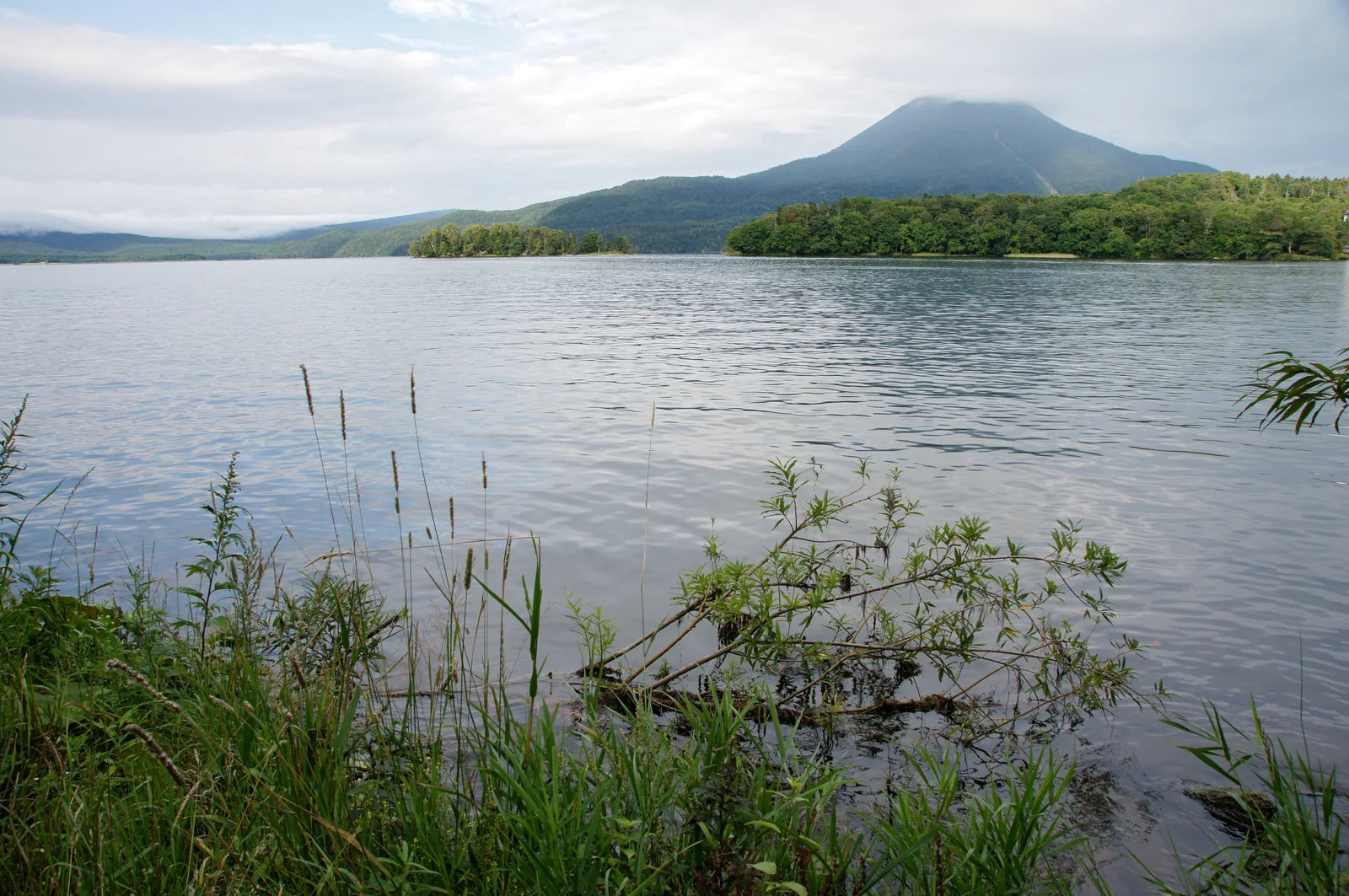
Lake Akan is a freshwater lake in Kushiro City, Hokkaido, inside Akan-Mashu National Park. It sits in the Akan caldera. It is the only place now known with confidence to still hold colonies of large wild marimo balls, about 12 cm or more. The species itself does not grow only in Japan, and Japan has several lakes with the alga. This page is about the wild lake, not about the marimo we sell.
Read the guide →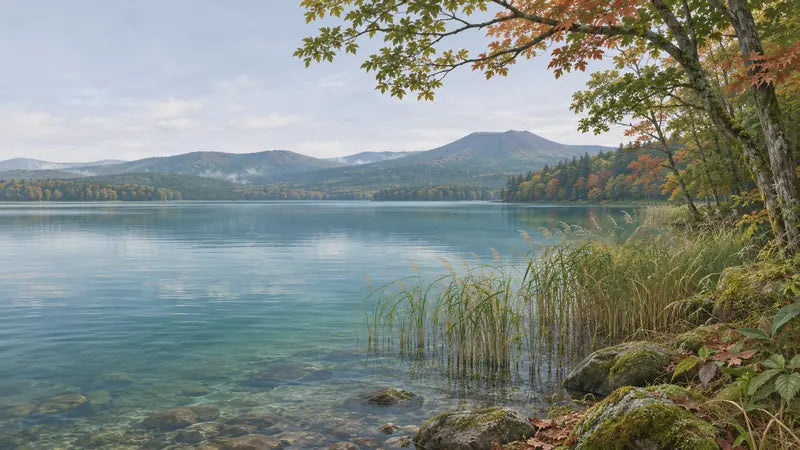
Why Are Marimo a Special Natural Monument in Japan?
Lake Akan's marimo (阿寒湖のマリモ, Marimo of Lake Akan) were made a Natural Monument of Japan on 3 March 1921 and a Special Natural Monument on 29 March 1952. That is the higher class under the 1950 Law for the Protection of Cultural Properties. It covers the whole of Lake Akan and protects the wild population and its habitat. Altering its current state needs the Commissioner's permission. It does not make cultivated, shop or foreign marimo a Special Natural Monument. This page is general information, not legal advice. Rules change, so check with your state's agriculture or wildlife agency before buying, selling or shipping moss balls.
Read the guide →
The Ainu and Marimo: Names, the Festival and the Love Story
Ainu names for marimo exist, and sources translate them in different ways. The famous story of two lovers who became marimo was written in 1922 by a non-Ainu author and later presented as Ainu legend. The Lake Akan Marimo Festival, begun in 1950, is a modern event in which Ainu kamuynomi prayers have had a part from the start.
Read the guide →
The Marimo Love Story: the True History
The famous lovers story is not an ancient Ainu tradition. Nagata Kosaku wrote it for an Osaka Asahi collection in 1922, and nobody drowns in that version. The drowning and the name "love marimo" first appear in 1931. A 1953 hit song spread the story across Japan. In 1940, Yamamoto Tasuke wrote that the Lake Akan Ainu did not know it. There is no historical record of a custom of giving marimo as a love, luck or wish gift.
Read the guide →
Why Are Wild Marimo Declining?
A 2010 survey found this alga had not been recorded in the previous 30 years at more than 50% of its known locations. Ball and free-floating forms declined more than attached forms. Nutrient pollution was the main cause the authors suspected. "Not recorded" is not the same as confirmed gone. Lake Akan lost two of its four historical ball colonies, mainly to logging silt. Lake Mývatn's large colonies were gone by about 2013 to 2014; the cause is still debated.
Read the guide →
Marimo Myths, Checked
Marimo are living green algae, not moss and not animals. They do not need distilled water, salt, or fertilizer, and can live for decades. They grow wild in many countries, not only in Japan. There is no historical or botanical record that they grant wishes or bring luck. They are not banned as a plant by the US federal government, and official pages do not say every ball is contaminated. Lake Akan wash-ups are part of the natural cycle.
Read the guide →