






Marimo Moss Ball Guide
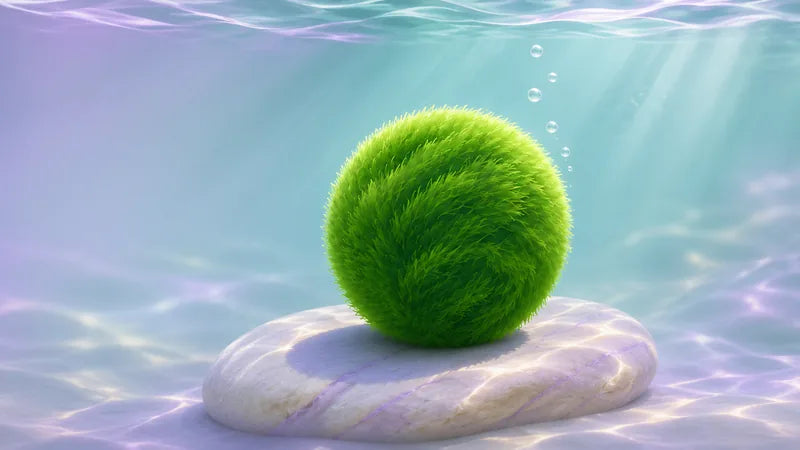
A marimo, often called a moss ball, is a ball of green algae, not moss. Each one is made of many fine threads of the alga Aegagropila linnaei growing together. In a few lakes, gentle waves roll those threads into round balls.
Start here
What Is a Marimo? The Moss Ball, Explained
A marimo, often called a moss ball, is a ball of green algae, not moss. Each one is made of many fine threads of the alga Aegagropila linnaei growing together.
Read the guide →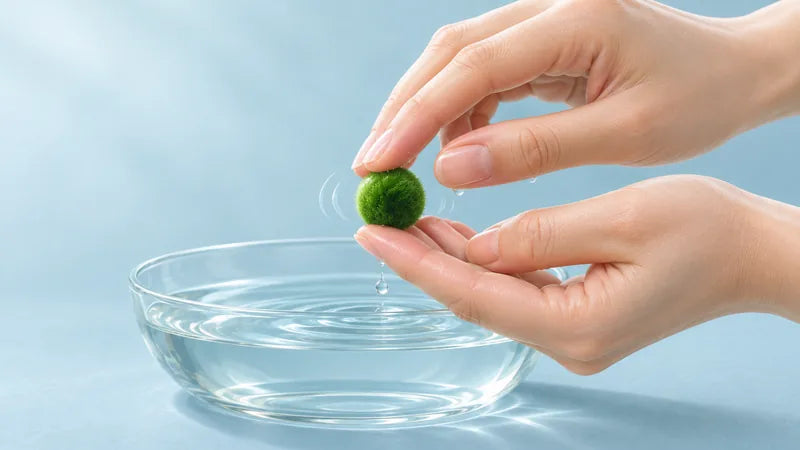
Marimo Moss Ball Pet Care: Everything You Need to Know
Water changes, cool room-temperature light, gentle rinsing and rolling, and what to check if your moss ball floats or turns pale.
Read the guide →💧 Care
Topic page: Marimo Moss Ball Pet Care: Everything You Need to Know · 9 guides
Care card
How often
Change water every 2 to 4 weeks.
Light and temperature
Keep below 77°F, out of direct sun and away from heaters.
77°F is our care ceiling, not a death point.
Water
Use bottled spring water, or tap water treated with a dechlorinator (water conditioner). Tap water left out for a few days works only if your city uses chlorine, not chloramine. Never use distilled.
Cleaning
Rinse in cool water, gently squeezing is OK, then roll to keep round.
Lifespan
With simple care, marimo can live for decades.

Marimo in Aquariums and Fish Tanks
Yes, marimo are often kept in cool freshwater aquariums and fish tanks. Our care steps say keep the water below 77°F, out of direct sun and away from heaters.
Read the guide →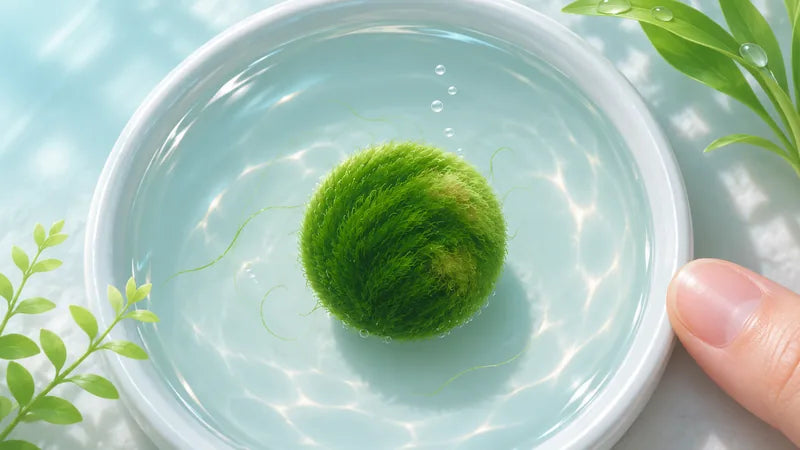
Is My Marimo Dead? Brown, White or Falling Apart
There is no sure home test for whether a marimo is dead or alive. A 2017 library reference answer said that, in general, it is difficult to tell.
Read the guide →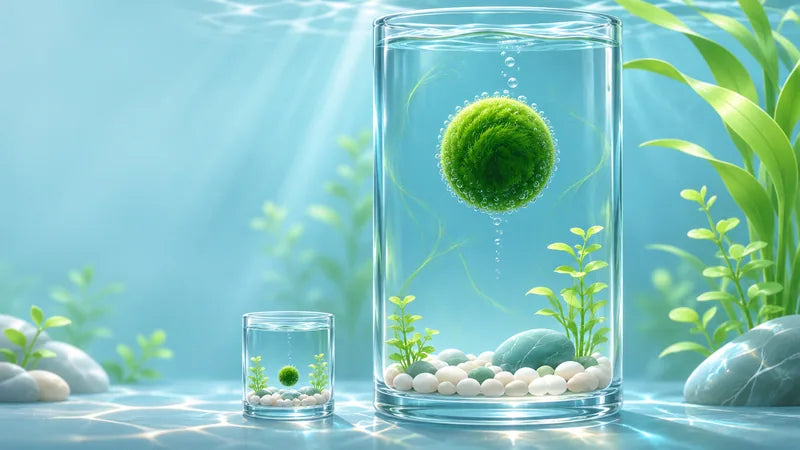
Why Is My Marimo Floating? What the Bubbles Mean
A marimo usually floats because tiny bubbles of oxygen from photosynthesis get caught in it, and in lab studies it sinks again in the dark. Floating means it is making oxygen in the light, not that it feels happy.
Read the guide →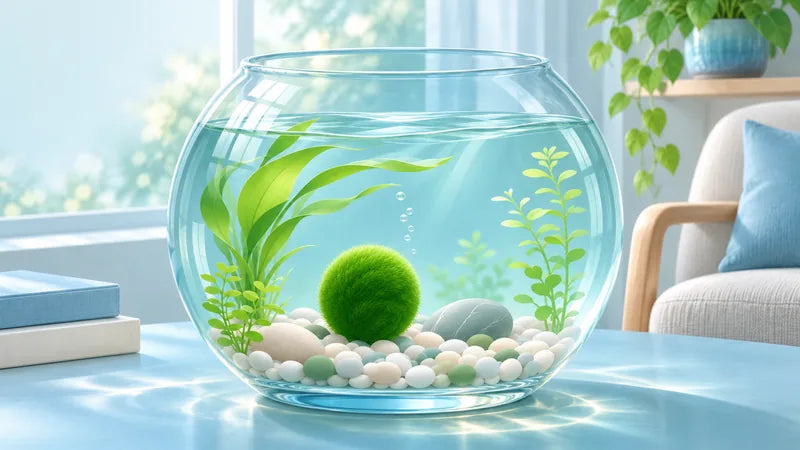
How Long Do Marimo Live, and How Big Do They Get?
With simple care, marimo can live for decades. The longest published home record is a family that kept a close relative of the marimo for more than 50 years. No published study has documented any single ball reaching 100 years.
Read the guide →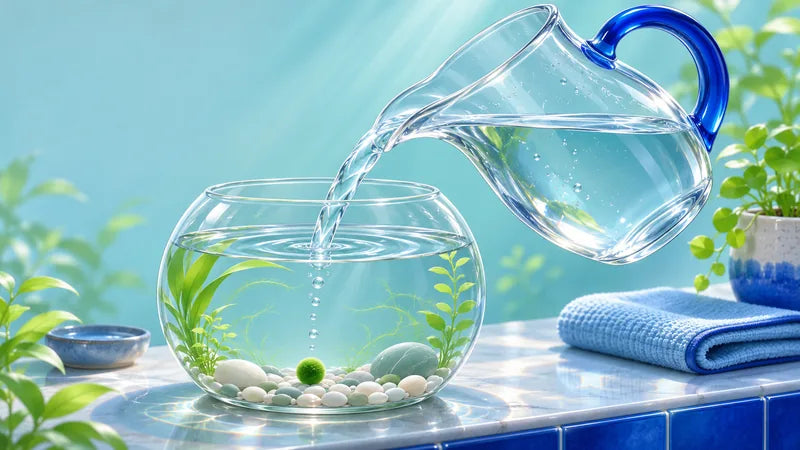
Marimo Water: What to Use and How Often to Change It
Use bottled spring water, or tap water treated with a dechlorinator (water conditioner). Tap water left out for a few days works only if your city uses chlorine, not chloramine. Never use distilled. Change water every 2 to 4 weeks.
Read the guide →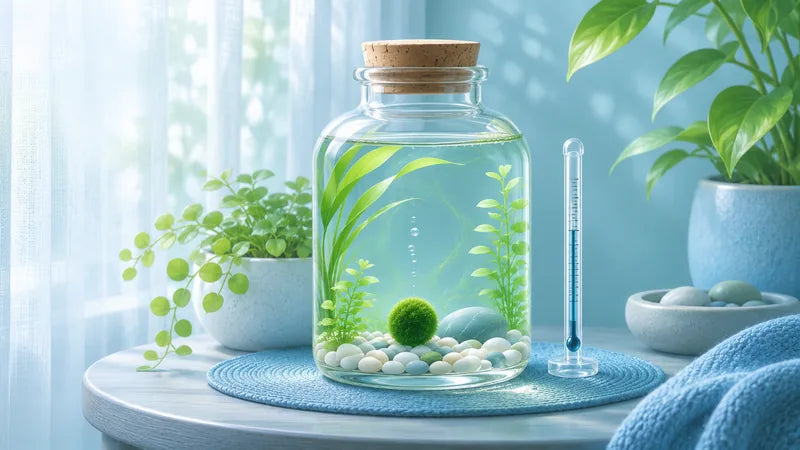
Marimo Light and Temperature: How Much Light and How Cool?
Keep below 77°F, out of direct sun and away from heaters. Marimo make their food from gentle light and can live in quite dim conditions.
Read the guide →
Cleaning and Rolling Your Marimo: Rinsing, Squeezing and Shape
Rinse in cool water, gently squeezing is OK, then roll to keep round. In a lake, gentle waves roll marimo and keep them round.
Read the guide →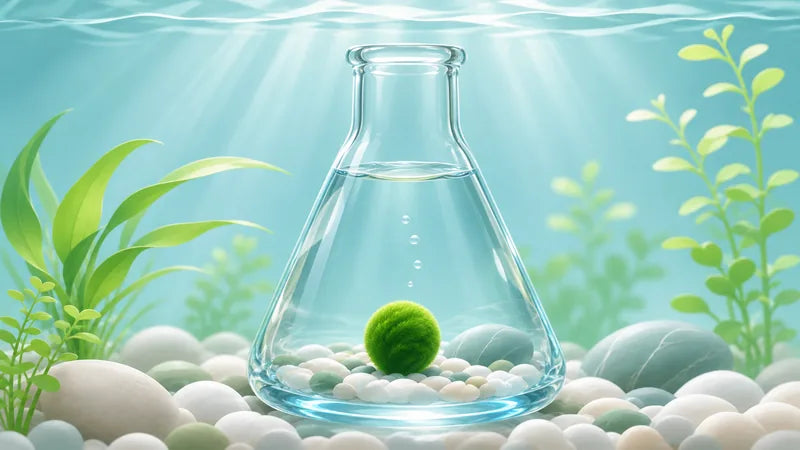
What Do Marimo Eat? They Make Their Own Food
Marimo make their own food from light, water and carbon dioxide, so they don't need feeding. They have no mouth, and the whole ball makes sugar from light.
Read the guide →
Marimo in Terrariums
Marimo are green algae that live in water. A marimo terrarium is a glass vessel that holds water, not a dry planted closed terrarium.
Read the guide →🔬 Science
Topic page: Marimo science: what they are and how they grow · 5 guides
What Is a Marimo? The Moss Ball, Explained
A marimo, often called a moss ball, is a ball of green algae, not moss. Each one is made of many fine threads of the alga Aegagropila linnaei growing together.
Read the guide →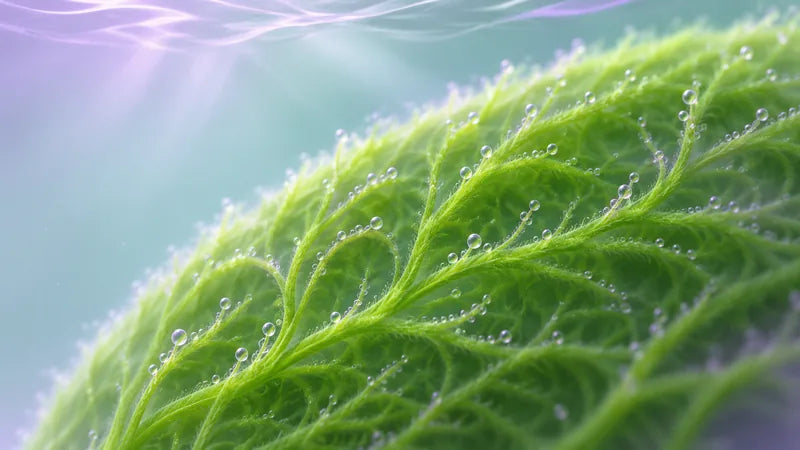
Are Marimo Moss Balls Alive? Yes, and Here's How You Can Tell
Yes, marimo moss balls are alive. Each one is a ball of living green algae that makes its own food from light, so it never needs feeding.
Read the guide →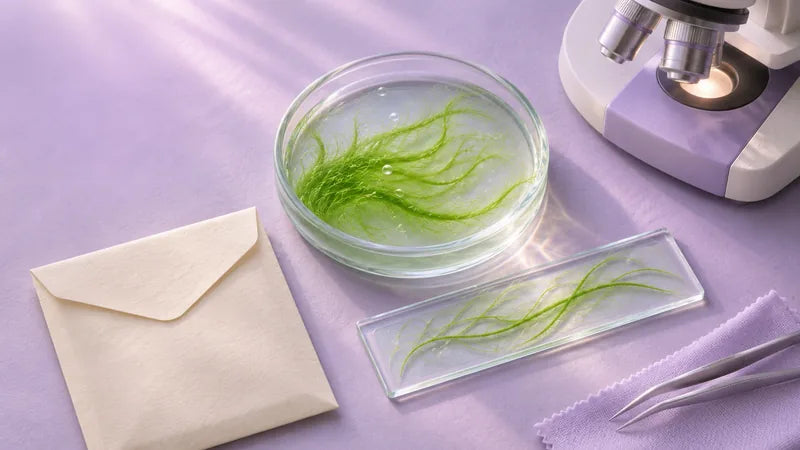
Aegagropila linnaei: The Marimo's Scientific Name, Explained
Marimo's scientific name is Aegagropila linnaei (also listed as A. brownii). It's a green alga in its own genus, Aegagropila, not a moss and not Cladophora.
Read the guide →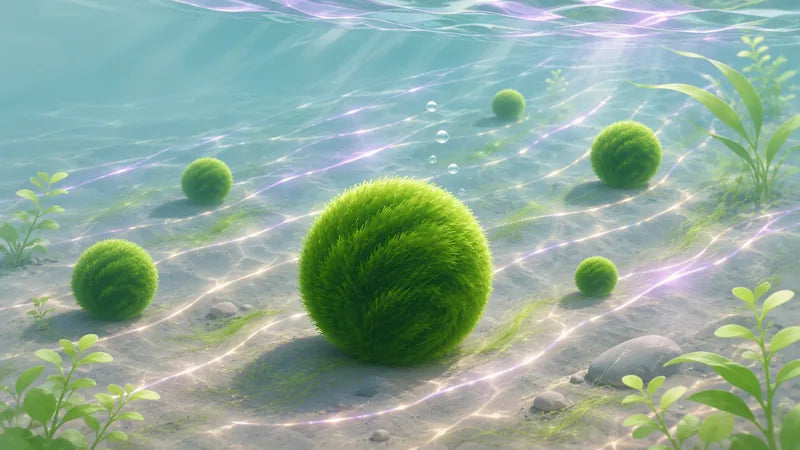
How Marimo Become Balls, and Whether You Can Make One
Gentle waves roll marimo along a shallow lake bottom, and that rolling makes them round. No published study has shown a way to make a true marimo ball at home.
Read the guide →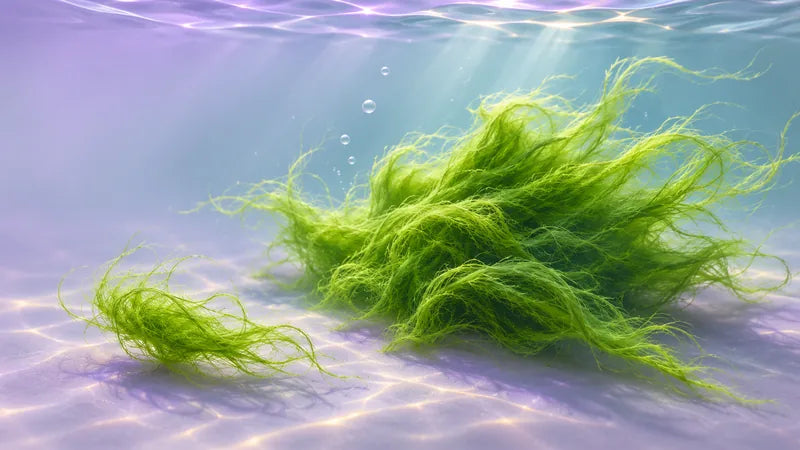
What Are Marimo Babies? How Moss Balls Multiply
"Marimo babies" is a friendly way to talk about new pieces, not a biological baby. Marimo mostly make new marimo by breaking into pieces that keep growing.
Read the guide →🗺️ Where marimo grow
Topic page: Where marimo grow · 3 guides
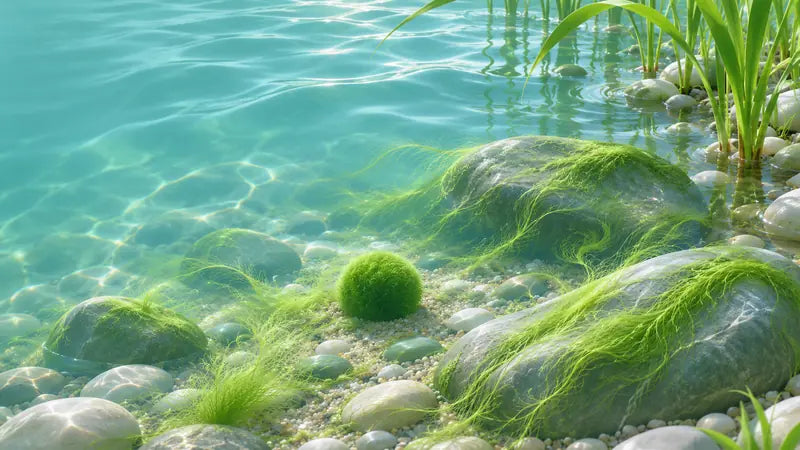
Where Marimo Grow in the Wild
Marimo grow wild in many lakes across the Northern Hemisphere, mostly in northern and central Europe, plus Japan and a few other places. They do not grow only in Japan.
Read the guide →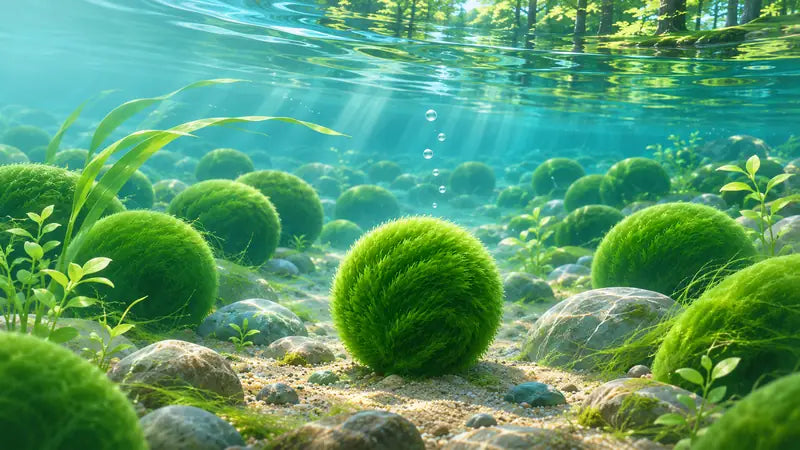
Lake Akan Marimo
Lake Akan is a freshwater lake in Kushiro City, Hokkaido, inside Akan-Mashu National Park. It is the only place now known with confidence to still hold colonies of large wild marimo balls, about 12 cm or more. This page is about the wild lake, not about the marimo we sell.
Read the guide →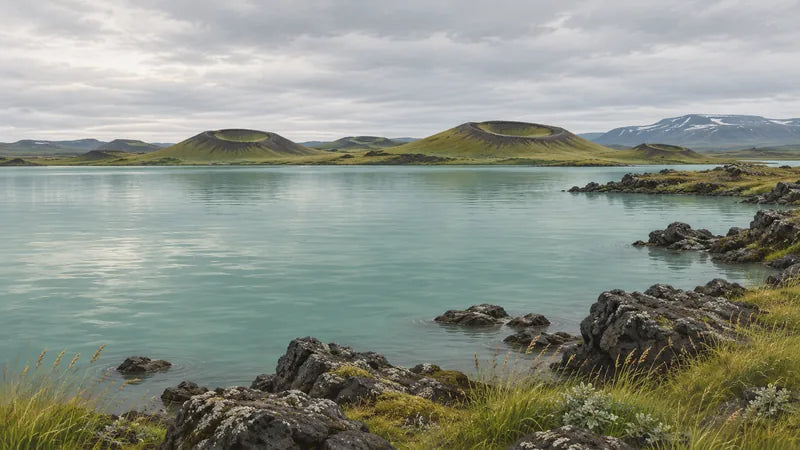
Lake Mývatn Marimo
Lake Mývatn, a shallow lake in north Iceland, once held dense beds of lake balls, mostly about 10 to 15 cm across. Those beds collapsed between the 1990s and about 2013. This page is about the wild lake, not about the marimo we sell.
Read the guide →📜 History and culture
Topic page: History and culture · 6 guides

Japanese Moss Balls
"Japanese moss ball" is an English trade and hobby name for marimo, not a label of where they grow. Marimo is a green alga, not a moss, and "marimo" is Japanese for "ball alga".
Read the guide →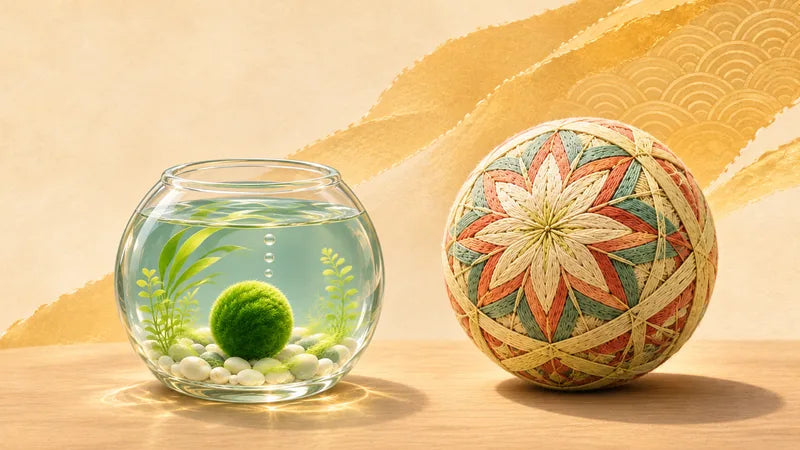
How Marimo Got Its Name
"Marimo" is a Japanese word, written 毬藻. 毬 means a ball and 藻 means algae or water plants, so it means "ball alga".
Read the guide →
Lake Akan Marimo Festival
The Lake Akan Marimo Festival (まりも祭り) began in 1950 as a new event to protect Lake Akan's marimo and return balls that people had taken. It uses Ainu ritual forms, but it is not an ancient Ainu tradition.
Read the guide →
The Marimo Love Story: the True History
The famous lovers story is not an ancient Ainu tradition. Nagata Kosaku wrote it for an Osaka Asahi collection in 1922, and nobody drowns in that version.
Read the guide →
What Is Marimokkori?
Marimokkori is a Hokkaido souvenir character, not an official mascot, an Ainu figure, or a conservation symbol. He is a character, not a living marimo.
Read the guide →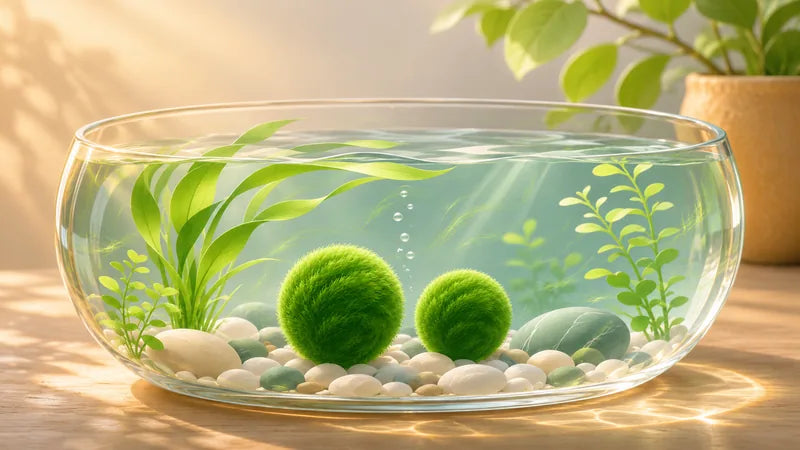
The Ainu and Marimo: Names, the Festival and the Love Story
Ainu names for marimo exist, and sources translate them in different ways. The famous story of two lovers who became marimo was written in 1922 by a non-Ainu author and later presented as Ainu legend.
Read the guide →🛡️ Conservation and legal
Topic page: Conservation and legal · 3 guides
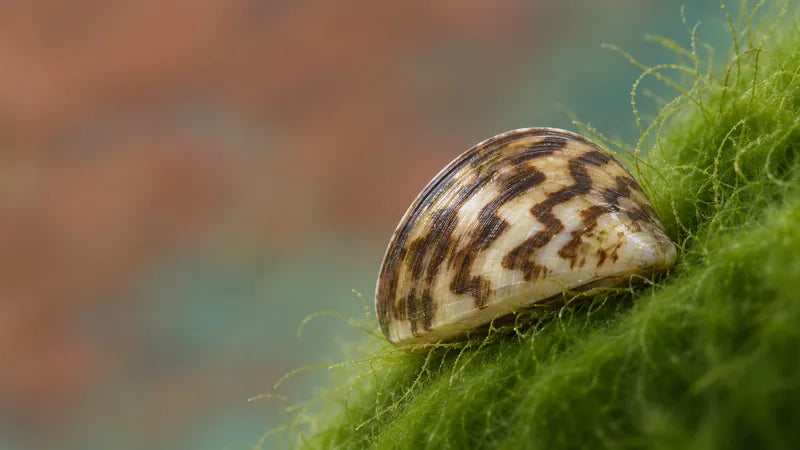
Are Marimo Moss Balls Illegal? The 2021 Zebra Mussel Recall
Marimo are not banned as a plant by the US federal government. The US Fish and Wildlife Service does not regulate moss-ball import.
Read the guide →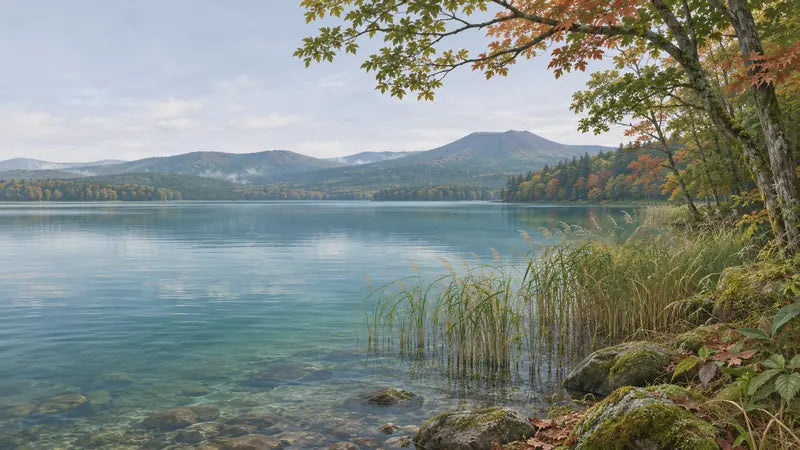
Why Are Marimo a Special Natural Monument in Japan?
Lake Akan's marimo (阿寒湖のマリモ, Marimo of Lake Akan) were made a Natural Monument of Japan on 3 March 1921 and a Special Natural Monument on 29 March 1952. It does not make cultivated, shop or foreign marimo a Special Natural Monument.
Read the guide →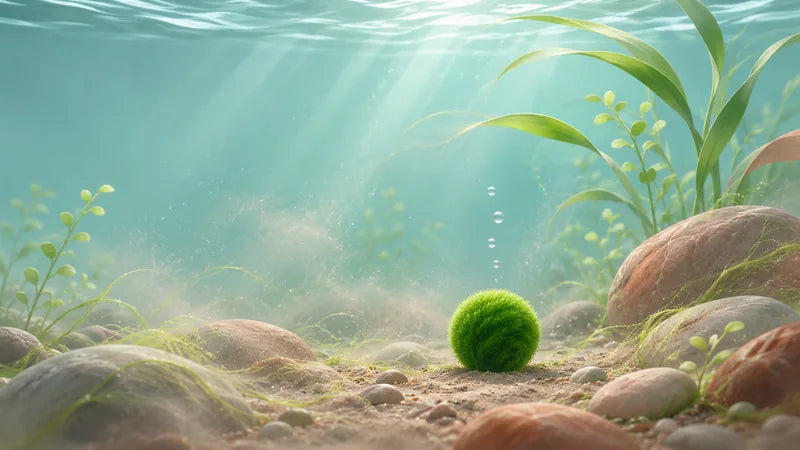
Why Are Wild Marimo Declining?
A 2010 survey found this alga had not been recorded in the previous 30 years at more than 50% of its known locations. Nutrient pollution was the main cause the authors suspected.
Read the guide →📖 Myths and fun facts
Topic page: Myths and fun facts · 1 guide

Marimo glossary
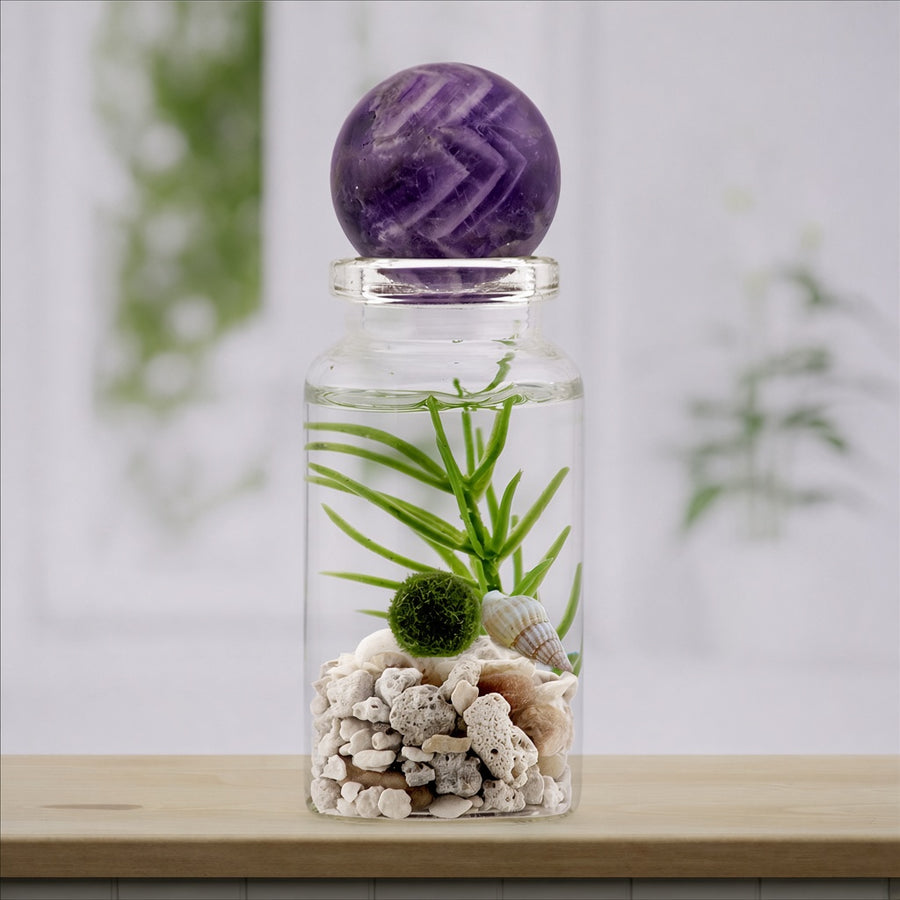
Discover the Magic of Marimo
Design your own terrarium, or start with a ready-made kit.